 Book a Discovery Call
Farm Sales Strategy
Too Much Produce at Harvest? How to Plan Sales So Your Crop Has Somewhere to Go
Too much produce at harvest and not enough buyers? Why surplus is a sales-planning problem, how to decide what to pre-sell and what to keep flexible, and when storage, donation and secondary outlets make sense.
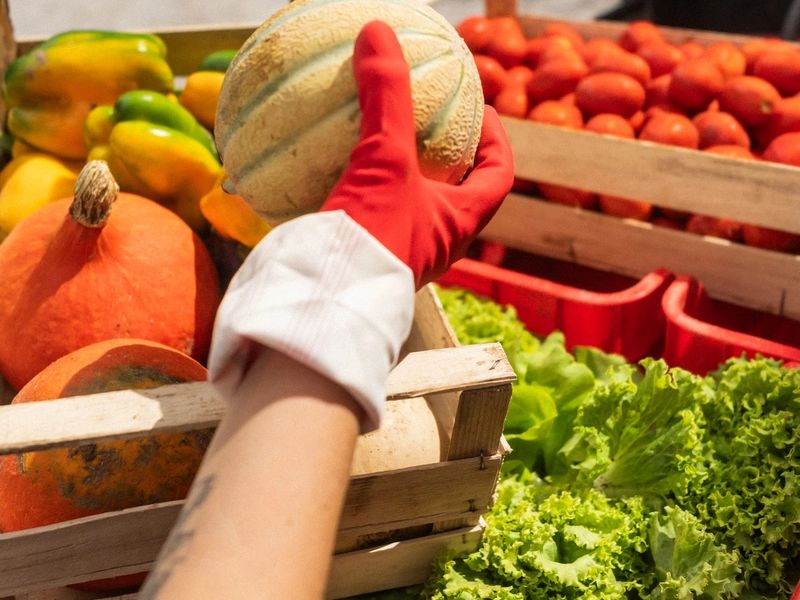
Short answer: If you have more produce at harvest than your buyers want, the quick fixes are a secondary wholesale outlet, a processor that takes seconds, cold storage for crops that hold, or a food bank donation. The lasting fix happens before harvest: commit your most reliable volume to standing accounts with retail, foodservice and processor buyers, keep some volume flexible for spot demand, and line up backup outlets in advance. Grow Desk is a farm sales team that does that buyer work in your farm's name, so the accounts and the customers stay yours.
Surplus is usually a sales-planning problem
When a crop comes off heavier than expected, most advice points to the cooler, the food bank or a quick liquidation call. Those moves clear product. They don't fix the reason it had nowhere to go: the demand was never lined up before the harvest window opened.
The numbers show how often this happens:
- Most farm surplus never leaves the field. ReFED estimates U.S. farms produced 16.9 million tons of surplus produce in 2024, and more than 80% of it was never harvested. Only 1.6% was donated.
- Low prices are a main reason. USDA's Economic Research Service notes that it can become unprofitable to move produce to market when "prices fall below the cost of harvest, processing, or shipping," and that produce that misses buyers' aesthetic or other requirements is likely to be rejected.
- Finding buyers is the hard part. In ProducePay's national survey of U.S. growers, 50% said they have trouble finding consistent buyers, and 68% said reaching fair pricing terms is their biggest pain point.
A field left standing or a load sold at distress prices is usually a sign that buyer coverage, account management and supply planning weren't lined up before the crop was ready.
Decide what gets pre-sold, what stays flexible, and what's backup
Start with your floor, not your average. The volume you can hit in a bad week belongs on standing accounts. Retail programs run on spec and consistency: the same pack, grade and delivery day for the length of the program. Commit your most predictable crops there.
Layer the rest by how much flexibility each buyer tolerates:
| Channel | What it's good for | What it expects |
|---|---|---|
| Retail (grocery chains, independents) | Steady weekly volume at program pricing | Spec, pack, labels and on-time delivery every week; a food safety audit and insurance |
| Foodservice (broadline distributors, restaurant groups) | Flexible volume; often more forgiving on size and grade | Notice when volume shifts; supplier setup and food safety documents |
| Processors and fresh-cut | Seconds, off-size and large volumes | Contract specs and volumes, often set before the season |
| Meal kits | Steady weekly specs where your crop fits a recipe | Exact counts and timing |
| Wholesale and terminal markets | Moving pallets fast when a block comes on early | Volume; price is set by the market that day |
Pre-sell, but not everything. Programs and pre-booked orders lock in demand before the crop is ready and make harvest scheduling easier. Pre-selling all of it caps your upside when the market tightens, so keep a slice open for spot demand.
Secondary outlets are a release valve, not a plan. If seconds buyers, liquidation and donation take a bigger share every year, that's a sales gap, not a surplus problem. The goal isn't just to clear the crop. It's to clear it at a price you can repeat next season, with the same buyers still answering the phone.
What buyers expect when supply is uncertain
Buyers rarely drop a farm over one short week. They drop it over surprises.
- The basics come first: product that holds to spec, supply they can count on, current food safety documentation and liability insurance. See retailer onboarding requirements for farms.
- Communication is what keeps the account. A buyer who hears on Monday that Thursday's volume is down can re-plan an ad, shift a menu item or pull from a second source. A buyer who finds out at the dock stops calling. Honest forecasts beat optimistic ones.
- Vendor setup decides whether a first order becomes a standing account. That means purchase order terms, case and pallet specs, labels, delivery windows and a reorder rhythm after the first drop.
- Each channel handles variance differently. Retail programs are built around set ad weeks and strict packouts. Foodservice can often flex with notice. Wholesale absorbs swings most easily but sets the price.
How harvest planning changes when you sell in your own name
When your farm holds the buyer accounts, you set price against your own costs, choose your buyer mix, and own the reorder conversation. That lets you plan acreage and packout against committed weekly volume instead of a guess, and you learn directly why an order grew or shrank. Over a few seasons, standing accounts that reorder every week shrink surplus for good instead of clearing it once.
Brokers and distributors do real work too. They move volume fast, handle freight and can clear a field in days, which matters when you have a heavy block and a short shelf life. Many farms use both: their own accounts for their steady volume and a broker or distributor for overflow or another region. If you want to compare the options, see how to switch from a produce broker without losing your buyers.
What a sales team can't do: Grow Desk isn't a warehouse or a trucking line. Selling in your farm's name works when the farm has product, a food safety audit, insurance, product that meets spec, and a supply plan it can hold to.
When storage, donation and liquidation still make sense
These tools belong in the plan, just not at the center of it.
- Cold storage buys days or weeks on crops that hold.
- Donation to a food bank or gleaning group gets product that can't meet buyer spec eaten instead of disced under. Ask your tax adviser whether an enhanced deduction for food donations applies to your farm.
- Secondary wholesale or processing returns something on product that would otherwise be a loss.
None of them creates a buyer who orders again next July. Use them when your committed accounts are full and the packout ran heavy. Then write down what overflowed and why, and fix the gap on the sales side before next planting.
A harvest-and-sales checklist for next season
- Map expected volume by crop, week and grade, using packout estimates, not just acreage.
- Assign committed accounts first: the retail, foodservice and processor orders you can supply every week.
- Reserve flexible volume for spot buyers, promotions and short-notice orders.
- Line up backup outlets in advance, so a heavy week isn't priced under pressure.
- Every week in season: follow up on reorders, update buyers before volume changes, and confirm next week's numbers.
Step 5 is the one peak harvest crowds out, and it's where accounts quietly go dormant.
How Grow Desk helps
Grow Desk is the farm sales team from the people behind Crop't Fresh, led by Christina Monnin (Produce Business 40 Under Forty, 2025). She spent more than 19 years in business development for grower-shippers including Duda Farm Fresh Foods, Van Solkema Family Farms and Cottle Strawberry Nursery.
- Before harvest: we use our produce industry relationships to line up retail, foodservice, processor and wholesale buyers who fit your crop, and we build programs around your volume and weeks.
- During harvest: we handle buyer calls, volume updates and reorders while your crew is in the field and on the packing line, and we move committed volume between accounts when your harvest window shifts.
- Your farm keeps the accounts. Your farm is the vendor of record, bills the buyer and keeps the customer. We never buy or sell your produce.
- Pricing built around your farm. We set the arrangement with each farm after we look at its crops, volume and season, and put it in writing.
Common questions
I've got more produce at harvest than my buyers want. Who can help me move it?
For this week, try a secondary wholesale buyer, a processor that takes seconds, cold storage if the crop holds, or a food bank. For next season, a sales team that lines up more standing accounts before harvest, like Grow Desk, gives the extra volume somewhere to go.
Which crops should go on standing accounts?
Your most predictable crops, at the volume you can hit in a bad week. Keep the rest flexible for spot buyers, foodservice and processors.
How do I keep buyers supplied when harvest timing shifts?
Tell them early, before the purchase order is due, and offer a plan: a partial load, a substitute pack or a new ship date. Buyers forgive short weeks more easily than surprises.
Does selling direct mean I can't use a broker for overflow?
No. Many farms keep their own accounts for steady volume and use a broker or distributor for overflow or another region.
What can an outside sales team do during peak harvest that my crew can't?
Keep up with buyers. Answering emails by noon, confirming next week's volume and chasing reorders all happen during your busiest weeks. A sales team handles that so your crew can stay in the field.
Sources
- ReFED, How Can Producers Reduce Food Waste on Farms? ("In 2024, farming generated 16.9M tons of surplus produce, more than 80% of which was left behind in the fields and never harvested. Only 1.6% was donated for hunger relief.")
- USDA Economic Research Service, Amber Waves, Food Loss: Why Food Stays On the Farm or Off the Market (Gregory Astill, March 2020).
- ProducePay, New Survey from ProducePay Reveals Majority of Growers and Buyers Agree Price Volatility is Biggest Growth Hurdle (October 2022).
Keep reading
- How to get your crop into grocery stores without giving up your buyers
- Retailer onboarding requirements for farms
- How to get produce sales support for selling direct to retailers
Want buyers lined up before your next harvest? Book a call. We'll look at your crop, your weeks and which buyers fit.
Don’t Need a Full In-House Team?
If your farm doesn't need a full in-house sales team, our sister company Crop't Fresh can buy your produce or sell it for you on commission, through its own buyer network.